
Product discovery
Clarify users, value, requirements, risks and the smallest credible route to validation.
Typical output
Product brief, prioritised scope and validation plan
Software consulting
We turn a business objective into a buildable product and technical route—without prescribing unnecessary software or obscuring trade-offs.
Independent technology judgement
BEG helps leadership teams decide what to build, how it should work and how delivery will be governed. Architecture follows evidence, constraints and the operating reality.
Core capabilities
Engage one capability or combine them into a complete technical mandate.
Clarify users, value, requirements, risks and the smallest credible route to validation.
Product brief, prioritised scope and validation plan
Shape secure, maintainable platforms around real usage, integration and operational constraints.
System blueprint, architecture decisions and delivery sequence
Identify defensible AI use cases, design human oversight and address data, quality and legal dependencies.
Use-case map, evaluation approach and integration design
Remove avoidable manual work while keeping controls, exceptions and accountability visible.
Process map, automation backlog and control model
Translate the roadmap into governed execution with clear decisions, quality gates and handover standards.
Delivery plan, technical governance and acceptance criteria
Delivery model
Interrogate the objective, users, current systems, constraints and evidence.
Make explicit product, data, integration, security and operating decisions.
Govern implementation, test against agreed outcomes and hand over usable knowledge.
Good fit
Portfolio
Browse projects by category and explore their brand visuals, interfaces and scope.
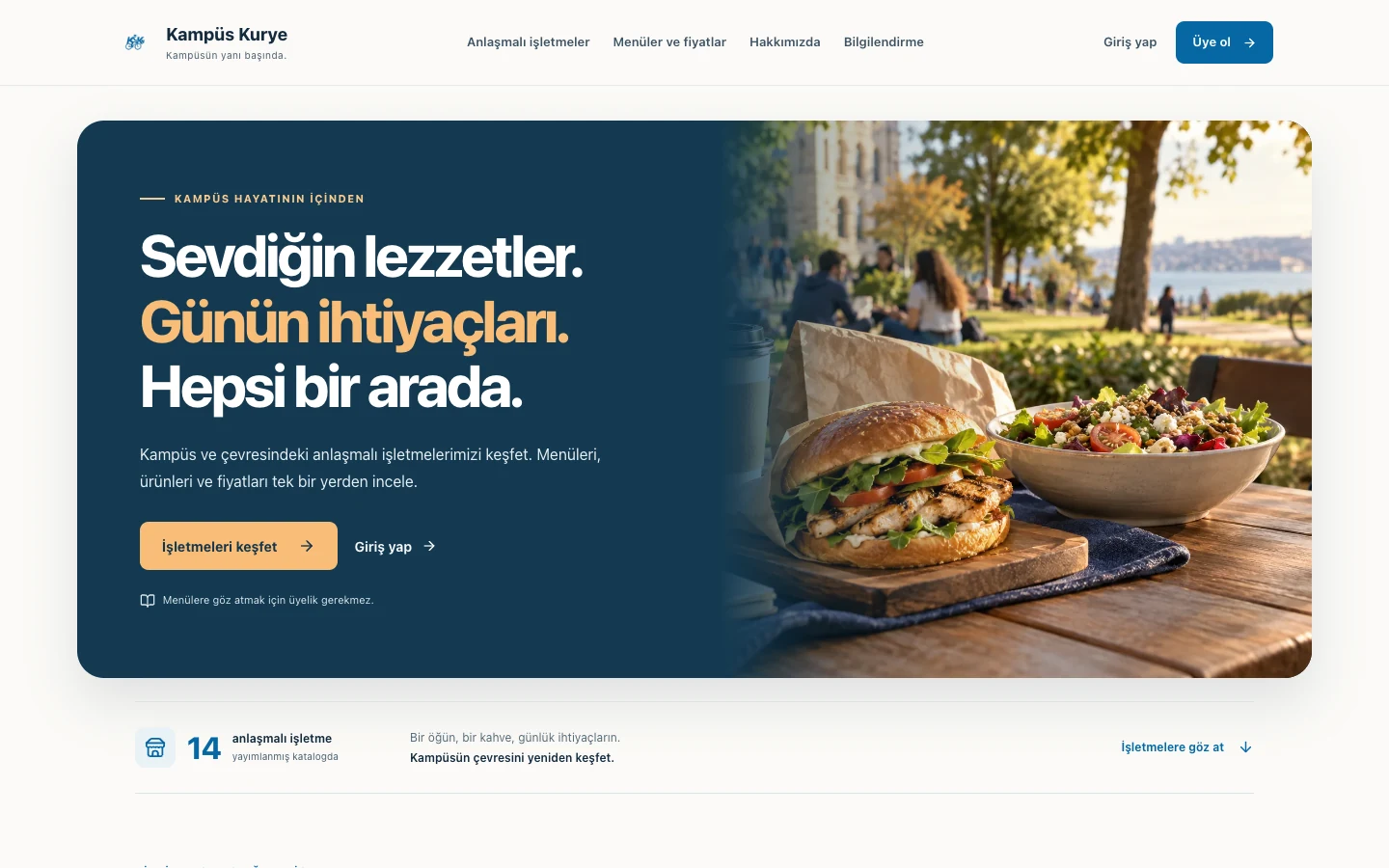
A campus delivery platform connecting students, restaurants and couriers. Web, iOS and Android interfaces bring customer ordering and business operations together.
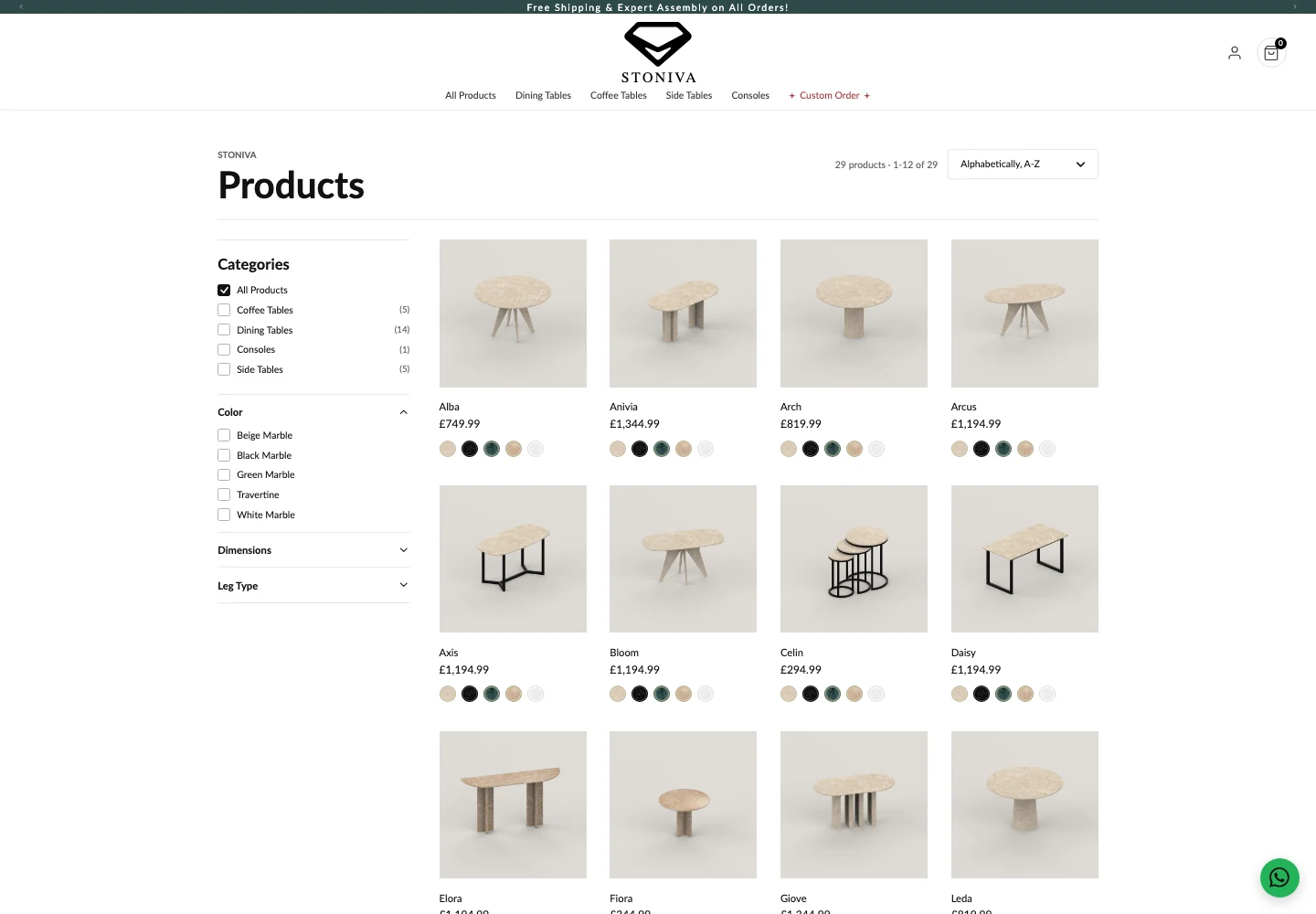
An e-commerce experience for furniture and living spaces, bringing collection discovery, product presentation and clearly structured product options together.
A digital menu for Dane Yayık: a QR-accessible web experience that makes product categories and prices easy to browse on a phone.
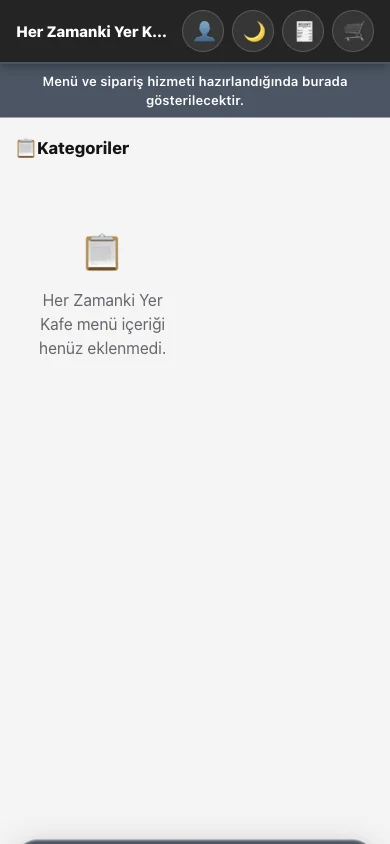
Local interface preview
A QR menu tailored to the café’s identity, bringing food and drink categories, product information and prices into one responsive menu.
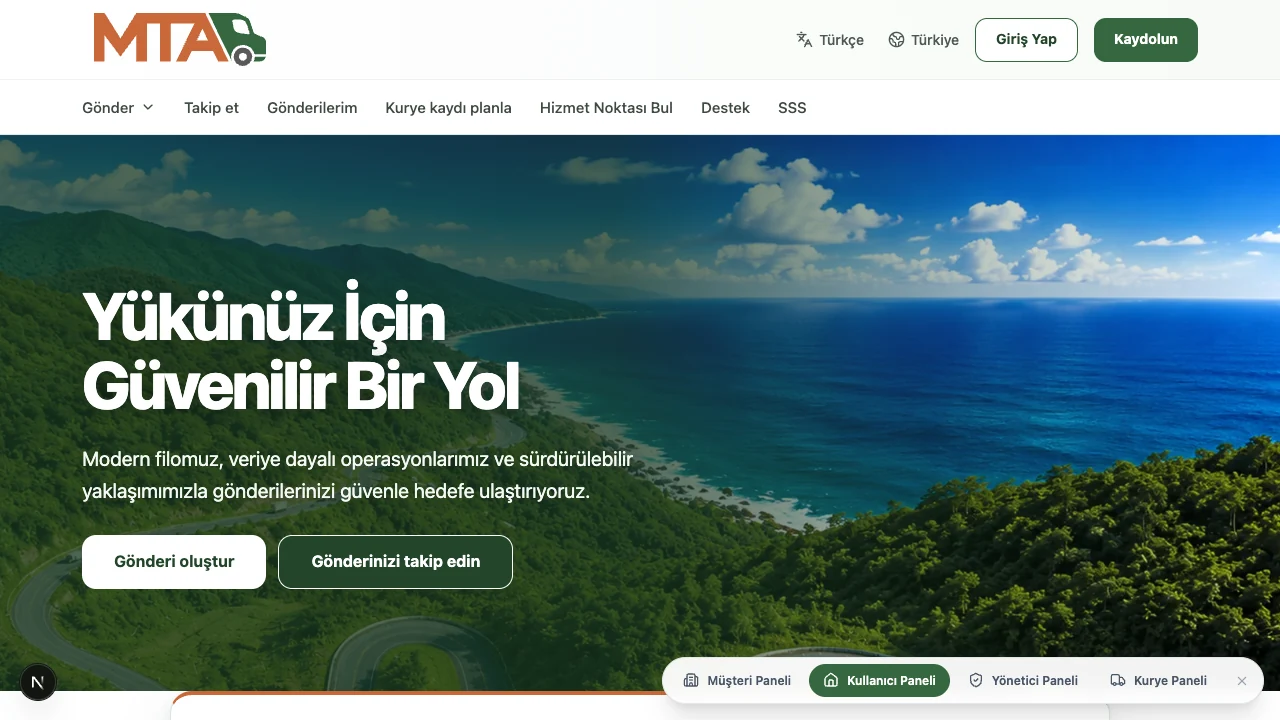
A road logistics web platform bringing shipment creation, quotation requests and shipment tracking together.
A software project for organizing legal files and document processes, supporting legal workflows with a dedicated digital workspace.

A mobile application project supporting daily worship and dhikr habits, bringing together a dhikr counter, prayer times and location-based content.

A mobile game project built around choices, habits and progression, with village life, characters and interactive game interfaces.
Questions
A decision-framing session. We establish the business outcome, users, constraints, current evidence and who owns the final decision before proposing scope.
Technical delivery can be included when the scope and team model are appropriate. Where another team builds, we can provide architecture and independent delivery governance.
Yes, when the use case has clear value and can be evaluated responsibly. We assess data, model behaviour, human oversight, security and legal dependencies before integration.
Yes. We define decision rights, documentation and quality gates so product, leadership and engineering teams work from the same technical route.
Decision records, architecture and scope artefacts, risks, acceptance criteria and a prioritised next-step plan owned by your team.
A clear next step
Share the decision, its constraints and the outcome that matters. We will identify the right starting point and the people it requires.